
Liquidity ratios compare short-term resources with short-term obligations. The current ratio includes inventory and other current assets, the quick ratio removes less-liquid inventory and prepayments, and the cash ratio uses only cash-like assets. Interpret them with the operating cycle and industry model.
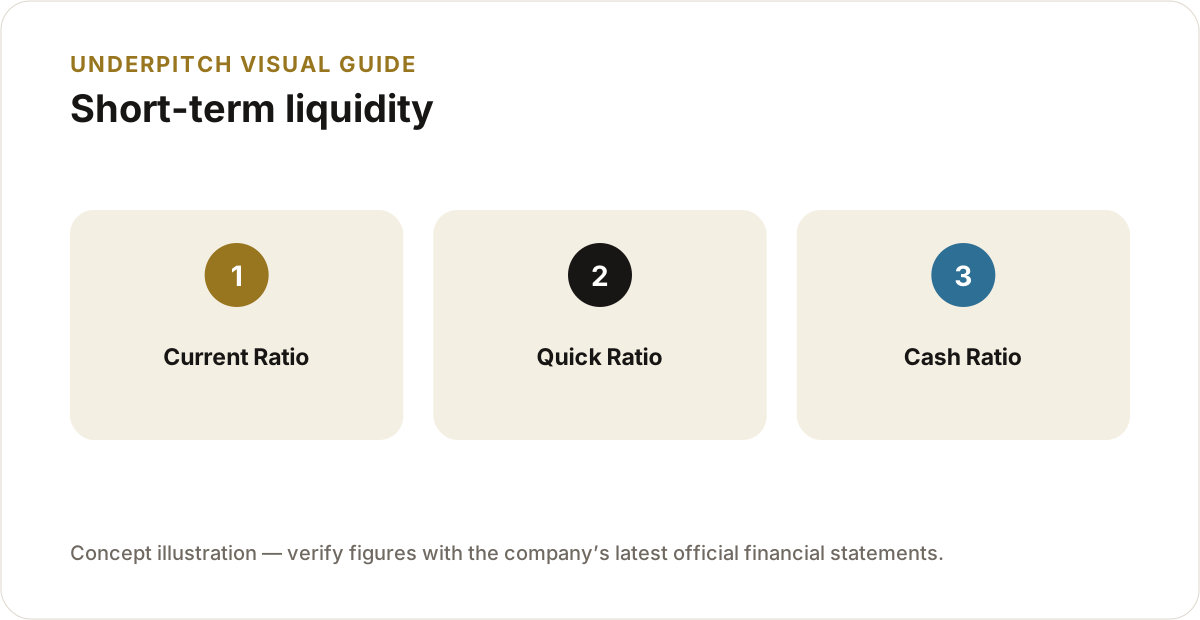
Current ratio
A broad measure of current assets relative to current liabilities. Slow receivables and obsolete inventory can make it look stronger than reality.
Quick ratio
Focuses on more liquid current assets. It can be more informative for businesses where inventory cannot be converted quickly.
Cash ratio
A strict stress-test using cash and near-cash assets. Many healthy companies operate with a low cash ratio because cash cycles are predictable.
Operating cycle
A retailer, software company and manufacturer can require very different liquidity levels.
Red flags
Repeated short-term borrowing, overdue receivables, supplier stress and negative operating cash flow matter more than a single ratio.
Formulas
| Metric | Simplified formula |
|---|---|
| Current ratio | Current Assets ÷ Current Liabilities |
| Quick ratio | (Current Assets − Inventory − Prepaid Expenses) ÷ Current Liabilities |
| Cash ratio | (Cash + Cash Equivalents + Marketable Securities) ÷ Current Liabilities |
Use average balance-sheet values where appropriate and confirm definitions used by the company or data provider.
How to use this in company analysis
- Calculate at least three to five years of history.
- Compare the company with relevant peers using consistent definitions.
- Read notes to accounts and management commentary behind unusual movements.
- Reconcile profit, balance-sheet growth and operating cash flow.
- Do not make a buy or sell decision from one ratio.
Important limitations
- Accounting policies and exceptional items can reduce comparability.
- Sector economics determine what is normal or risky.
- Quarterly values may be seasonal and unaudited.
- Financial companies require sector-specific metrics.
Educational information only. It is not a personalised investment, tax, accounting or buy/sell recommendation. Verify figures from the company’s latest official filings.